
Google Search Console Impression Bug in April 2026: What Changed and What It Means
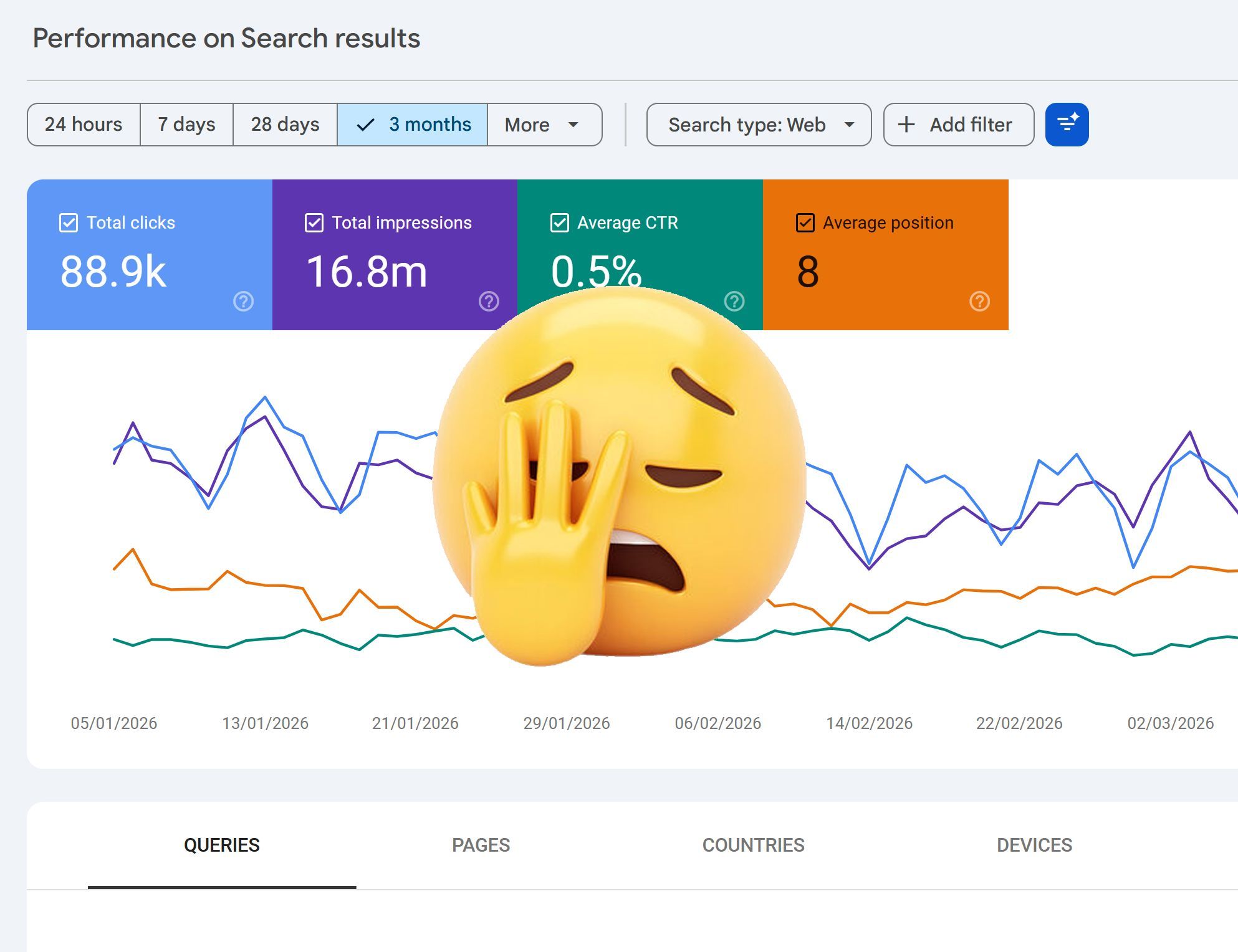
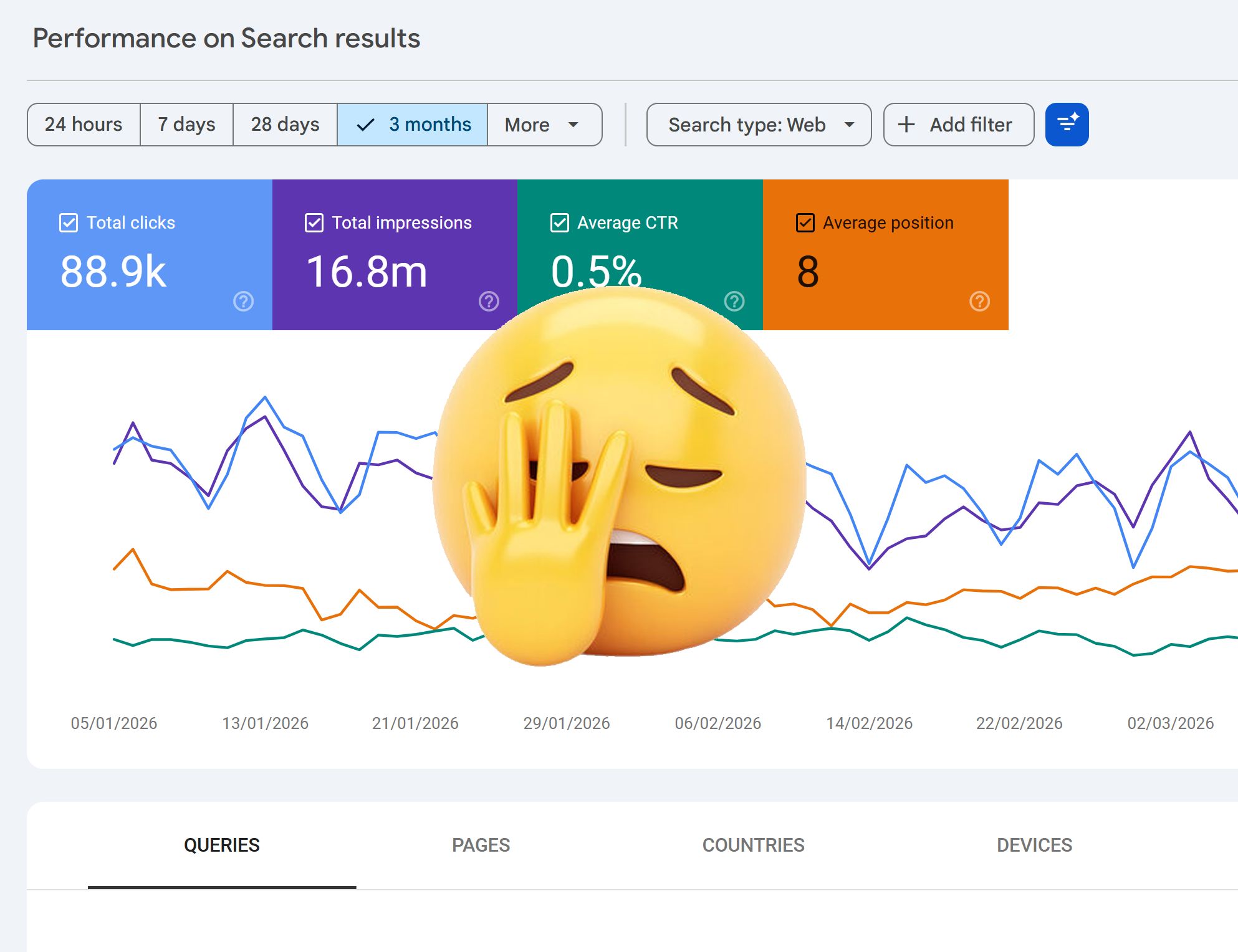
Google confirmed a Search Console reporting problem on April 3, 2026. The issue was a logging error affecting impressions from May 13, 2025 onward, and Google said site owners may see a drop in impressions as the fix rolls out over the following weeks. Importantly, Google also said clicks and other metrics were not affected.
This was not a broad collapse of Search Console data. It was a reporting correction focused on the impression count, which can still distort any analysis built on impressions, especially CTR trends, SEO visibility reporting, and dashboards that mix Search Console with attribution views.
What happened in Search Console in early April 2026
On Google's official Data anomalies in Search Console page, the April 3, 2026 note says:
- A logging error affected impression reporting.
- The affected period starts on May 13, 2025.
- Site owners may notice a decrease in impressions as the fix is applied.
- Clicks and other metrics were not affected.
That last line matters most. If your dashboard showed a sudden change in impressions in early April 2026, that does not automatically mean user behaviour changed on that date. In many cases, the underlying issue was Google correcting previously inaccurate impression counts rather than a real SEO performance swing.
The short version
If you need a simple interpretation, use this:
- Impressions were the affected metric.
- CTR may look different because the denominator changed.
- Clicks were not reported as affected by Google.
- On-site button click tracking was not a Search Console feature to begin with.
- Attribution models that use Search Console impressions as an input should be reviewed.
That is the right level of caution: treat visibility trend analysis carefully, but do not assume every downstream metric is broken.
Did this break attribution data?
Not directly in the way many teams first assume.
Search Console is primarily a search performance reporting tool. It reports queries, pages, clicks, impressions, CTR, and average position. It does not measure your on-site button clicks, lead form interactions, or product CTA performance the way GA4, GTM, or server-side tracking can.
So if you are asking whether the April 2026 issue broke:
Search Console impressions: potentially yesSearch Console CTR: potentially yes, because CTR depends on impressionsOrganic click counts in Search Console: Google said noGA4 button clicks: not directlyForm submissions or purchases: not directly
Where teams do get into trouble is in blended reporting. If you built a report that uses Search Console impressions to explain organic awareness and then compares that with GA4 conversions or CRM outcomes, your interpretation may be off. The conversions might be real, while the visibility baseline they are compared against was inflated.
Why this matters for button data and conversion analysis
If your team tracks CTA clicks such as "Book demo", "Get quote", or "Start free trial", the Search Console anomaly should not have changed those events at source. However, it can still distort the story around them.
For example:
- If impressions were overstated, organic CTR may have looked lower than reality.
- If CTR looked weaker, teams may have blamed the landing page or CTA too quickly.
- If conversions stayed stable while impressions later fell, the page may suddenly appear more efficient even though user behaviour did not materially change.
That is why this issue is best treated as a reporting interpretation problem, not automatically a tracking implementation problem.
For a separate but related reporting pattern, see GA4 Data Delay: Why Changes Take 24-48 Hours to Appear.
What you should review now
If you rely on Search Console data in executive reports, SEO summaries, or attribution dashboards, review these areas first:
1. CTR trendlines
CTR is clicks divided by impressions. If the impression count was wrong, CTR trendlines for the affected period may need fresh interpretation.
2. SEO visibility reports
Any report that used impressions as a proxy for demand, visibility, or brand exposure should be marked as affected from May 13, 2025 until the correction settled.
3. Blended attribution dashboards
If you combine Search Console with GA4, ad data, or CRM revenue, flag the Search Console layer as a reporting caveat. Otherwise teams may draw the wrong conclusion about content quality, landing page performance, or campaign efficiency.
4. Stakeholder commentary
If someone asks why impressions dropped in early April 2026, the safest answer is:
Google published a Search Console anomaly on April 3, 2026 stating that a logging error had affected impression reporting from May 13, 2025 onward. The drop may reflect corrected reporting rather than a sudden SEO performance collapse.
What not to do
Avoid these common mistakes:
- Do not treat the impression drop as proof that rankings crashed overnight.
- Do not rewrite all your SEO priorities based on one corrected graph.
- Do not assume your CTA buttons, form tracking, or GA4 events stopped working.
- Do not compare pre-fix and post-fix impression data without a note in the report.
If your wider analytics setup already has data loss from privacy restrictions, browser behaviour, or script blocking, this type of anomaly adds another layer of interpretation risk. That is covered in Why 10-35% of Your Website Data Never Appears in Google Analytics.
A simple way to explain it to clients or stakeholders
If you need a one-paragraph explanation, use this:
Search Console had a Google-confirmed impression reporting issue published on April 3, 2026. Because impressions were affected, visibility and CTR trends may need caution, but Google did not say clicks, button tracking, or conversion tracking were broken. The safest response is to annotate reports, avoid overreacting to the impression drop, and keep on-site event analysis in GA4 or first-party tracking.
Practical reporting rule for April 2026
Use this rule internally:
- Treat Search Console impressions as corrected, not purely comparable, for the affected period.
- Trust clicks more than impressions for short-term operational review.
- Treat CTR changes cautiously until the corrected dataset stabilises.
- Keep on-site event analysis in GA4 or your first-party tracking stack.
- Add a note to any April 2026 SEO or attribution report.
This keeps your team from diagnosing the wrong problem.
Final takeaway
The recent Search Console problem at the beginning of April 2026 was a Google-reported impression logging error, not a confirmed failure of clicks, button tracking, or conversion collection. The main risk is not that all your data became useless. The real risk is that teams misread corrected impression data and then make poor SEO or attribution decisions on top of it.
If your reporting stack mixes Search Console, GA4, and conversion data, annotate the anomaly clearly and re-check any impression-led conclusions before changing strategy.